
What Dental Problems Are Common After Age 60?
September 18, 2026
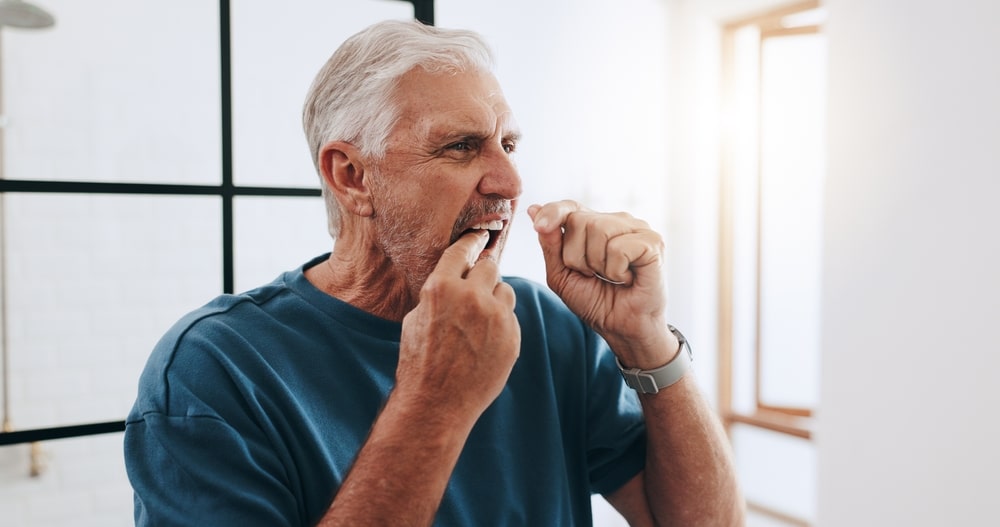
Turning 60 does not mean that dental problems are unavoidable, and it certainly does not mean that losing your natural teeth is a normal part of aging. Many people keep healthy, functional teeth well into their 70s, 80s, and beyond with consistent home care and appropriate dental treatment. What does change is the number of factors that can affect oral health at the same time. Years of dental wear, older fillings and crowns, gum recession, medical conditions, medications, and changes in saliva production can make certain problems more likely. The American Dental Association identifies dry mouth, root and crown cavities, and periodontal disease among the oral health concerns commonly encountered in older adults. At Simply Teeth, I encourage patients to think about dental care after 60 as prevention and maintenance rather than simply responding when something begins to hurt.
Gum Disease Can Become More Significant With Age
Periodontal disease is one of the dental conditions I watch closely as patients get older. It affects the gums and other tissues that support the teeth and can progress from inflammation of the gums to loss of the supporting bone around teeth. The Centers for Disease Control and Prevention describes periodontitis as a more serious form of gum disease involving bone loss and identifies it as a leading cause of tooth loss.
Gum disease often does not cause much pain, especially early on. Signs like bleeding when you brush, bad breath that does not go away, gum recession, tenderness, shifting teeth, or loose teeth should be taken seriously. During checkups, I look at your gums, bone support, and any buildup of plaque or tartar so we can catch changes before they get harder to treat.
Gum Recession Can Lead To Root Cavities And Sensitivity
Gum recession exposes areas of the tooth that were previously covered by gum tissue. Once the root surface becomes exposed, the tooth can become more sensitive to cold, sweets, or brushing. Exposed roots may also be more vulnerable to decay because they are not protected by the same enamel covering found on the crown of the tooth.
The ADA identifies root caries as an important concern among older adults. I therefore pay particular attention to areas where the gums have receded, especially when a patient also has dry mouth or difficulty cleaning around certain teeth.
Treatment depends on what I find. Some patients primarily need improved preventive care and fluoride protection, while others may need restorative treatment if decay has already developed.
Dry Mouth Can Increase Dental Risks
Dry mouth, or xerostomia, becomes an especially important concern after age 60 because many older adults take medications that can reduce saliva production. Dry mouth itself, however, should not simply be accepted as a normal part of aging. The National Institute of Dental and Craniofacial Research specifically states that dry mouth is not a normal consequence of getting older.
Saliva performs several important functions. It helps wash food particles away, protects oral tissues, assists with swallowing, and helps control the environment around the teeth. When saliva decreases, patients may become more susceptible to tooth decay, irritation, oral infections, and difficulties eating or speaking. The ADA notes that medications, certain medical conditions, radiation treatment, and other factors can contribute to xerostomia.
If your mouth frequently feels dry, tell me about it. Reviewing medications, symptoms, oral findings, and medical history can help determine what may be contributing.
Older Fillings And Crowns Need Regular Monitoring
By age 60, many patients have dental restorations that have been functioning for years or even decades. Fillings, crowns, bridges, and other restorations do not necessarily need replacement simply because they are old, but they do need to be evaluated periodically.
A filling may begin to wear around its margins, a crown can develop problems underneath or around its edges, and teeth with large restorations can sometimes become more susceptible to fractures. Changes may occur slowly and without obvious symptoms.
I prefer to evaluate whether a restoration remains functional rather than replacing dental work solely because of its age. When Dr. Patel recommends replacement or repair, the recommendation should be based on clinical findings such as decay, fracture, leakage, structural weakness, or another identifiable concern.
Tooth Wear And Cracks May Become More Noticeable
Teeth withstand tremendous biting and chewing forces over a lifetime. People who grind or clench their teeth can place additional stress on them, sometimes resulting in flattened surfaces, chips, cracks, or worn enamel.
Older teeth may also contain large fillings or other restorations that alter how biting forces are distributed. A tooth that has been heavily restored may not respond to stress in exactly the same way as an untouched natural tooth.
Not every visible crack requires the same treatment. I consider symptoms, location, depth, bite forces, existing restorations, and the overall condition of the tooth before recommending care. Pain when biting, sudden sensitivity, or a newly fractured piece of tooth should prompt an examination.
Tooth Loss Can Affect More Than Appearance
Missing teeth can influence chewing, speech, appearance, bite stability, and the distribution of force across the remaining teeth. Tooth loss is more prevalent among older adults, but it should not be treated as inevitable. CDC data show that tooth loss remains a significant oral health concern among adults 65 and older.
When a tooth cannot be saved, I discuss replacement options based on the patient’s health, remaining teeth, bone support, goals, and budget. Depending on the circumstances, treatment may involve a dental implant, bridge, removable partial denture, or another approach.
Preserving natural teeth whenever reasonably possible remains an important goal because prevention is usually easier than replacing lost function later.
Medical Conditions Can Affect Oral Health
Oral health does not exist separately from the rest of the body. Medical conditions and medications can affect the gums, saliva, healing, and susceptibility to oral disease.
Diabetes is a good example. The National Institute of Dental and Craniofacial Research notes that diabetes can be associated with gum disease, dry mouth, tooth decay, and certain oral infections. Smoking is also associated with a greater risk of serious periodontal disease.
That is why I ask patients to keep their medical history and medication information current. A medication added by your physician may be relevant to changes I see in your mouth, particularly when dry mouth or healing becomes a concern.
Regular Dental Care Becomes Increasingly Valuable
After age 60, routine dental examinations give me an opportunity to look for changes that may not yet hurt. Early decay, periodontal changes, failing restorations, recession, tooth wear, and dry mouth can sometimes be managed more conservatively when they are identified early.
Your dental schedule should also reflect your individual needs rather than your age alone. Someone with stable gums and minimal restorative work may have different needs from someone managing periodontal disease, extensive crowns, implants, or chronic dry mouth.
At Simply Teeth, I want preventive care to be practical. The objective is to preserve comfortable chewing, healthy gums, functional teeth, and a smile that continues serving you well as you get older.
Schedule A Dental Visit With Simply Teeth In Mount Prospect
Dental health after age 60 deserves thoughtful attention, but getting older does not automatically mean losing your teeth or accepting chronic dental problems. Gum disease, recession, root cavities, dry mouth, aging restorations, tooth wear, and tooth loss may become more common, yet many of these concerns can be prevented, detected early, or managed with appropriate care.
At Simply Teeth, I provide family dental care for patients in Mount Prospect, Prospect Heights, and Des Plaines, Illinois. As Dr. Patel, I take the time to evaluate changes in your teeth, gums, dental work, medications, and overall oral health so that treatment recommendations reflect your actual needs rather than your age alone.
If you are over 60 and have noticed changes in your teeth or gums, or if you simply want to maintain your dental health as you get older, contact Simply Teeth by calling us at 847-870-1111 to schedule a consultation with Dr. Patel.
