
Dental Crowns Vs. Fillings: Which Treatment Is Right For A Damaged Tooth?
August 01, 2026
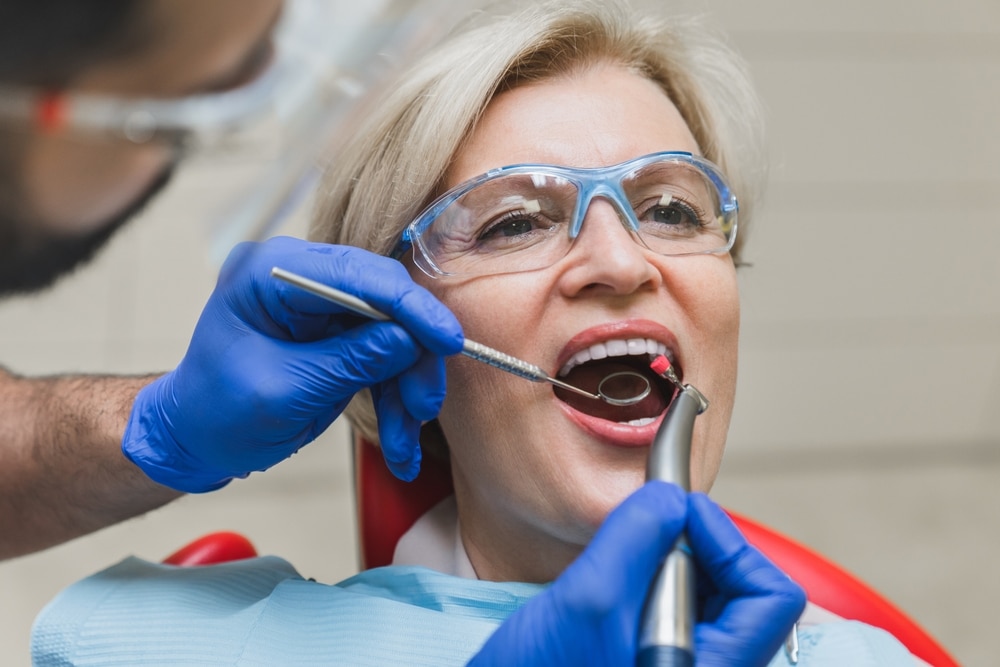
A damaged tooth does not always need the same type of repair. Sometimes a filling is enough to restore the tooth, especially when the damage is small and the remaining tooth structure is strong. Other times, a crown is the better choice because the tooth needs more coverage, support, and protection. At Simply Teeth in Mount Prospect, I help patients understand why one treatment may be recommended over another. My goal as Dr. Patel is to preserve as much healthy tooth structure as possible while choosing a restoration that gives the tooth the best chance to function comfortably for years.
When A Dental Filling May Be The Right Treatment
A dental filling is often used when a tooth has a cavity, small chip, minor wear, or limited damage. During a filling procedure, I remove the decayed or damaged portion of the tooth, clean the area, and place a restorative material to rebuild the missing structure. Fillings are commonly used when the tooth still has enough healthy enamel and dentin to support daily chewing forces.
A filling can be a conservative treatment because it usually requires less tooth preparation than a crown. If the damage is small, a filling may restore the tooth without covering the entire visible portion of it. Many patients prefer this when it is clinically appropriate because the procedure is typically quicker and may cost less than a crown.
However, a filling has limits. A very large filling can weaken a tooth rather than protect it. If a tooth has lost too much structure, the filling may act like a wedge under chewing pressure. This can increase the risk of cracks, fractures, sensitivity, or repeated repair. I pay close attention to how much natural tooth remains, where the damage is located, and how the tooth comes together with the opposing teeth before recommending a filling.
When A Dental Crown May Be The Better Choice
A dental crown is a custom-made restoration that covers the tooth above the gumline. It can protect a tooth that has been weakened by decay, fracture, root canal treatment, heavy wear, or a large old filling. Instead of repairing only one small area, a crown surrounds and supports the remaining tooth structure.
A crown may be the better treatment if the tooth has a major crack, a broken cusp, a large failing filling, or a high risk of fracture. Back teeth often need stronger protection because they absorb heavy chewing forces. If a molar or premolar has been repaired several times, or if the filling would cover a large percentage of the tooth, a crown may offer a more reliable long-term result.
Crowns can also improve the shape, bite, and appearance of a damaged tooth. The crown is designed to fit your bite and match nearby teeth as closely as possible. At Simply Teeth, I want the final result to feel stable, comfortable, and natural in your mouth.
Why The Amount Of Tooth Structure Matters
One of the most important questions is simple: how much strong tooth is left? If a tooth has a small cavity, a filling may be enough. If a tooth has a large cavity or fracture, there may not be enough remaining structure to hold a filling safely. A tooth is not just a hard object. It flexes slightly under pressure, and restorations must be able to handle that force.
When I examine a damaged tooth, I look at the size of the cavity, the depth of the decay, the position of the crack, the condition of old fillings, and the strength of the surrounding enamel. I also consider whether the tooth has had a root canal, whether you grind your teeth, and whether the tooth hurts when you bite.
A smaller repair is not always the better repair. If a filling is placed in a tooth that really needs a crown, the tooth may break later. That fracture can be more difficult and more expensive to treat. In some cases, a tooth that could have been saved with a crown may become non-restorable after a severe break.
How Symptoms Can Help Guide The Decision
Your symptoms can provide important clues, but they do not tell the whole story. A small cavity may cause no pain at all. A cracked tooth may create sharp pain when biting or releasing pressure. Deep decay may cause lingering sensitivity to cold, heat, or sweets. A damaged filling may trap food or feel rough to the tongue.
If you have pain when chewing, a visible crack, a broken corner, or a tooth that feels weak, a crown may be more likely. If the damage is small and the tooth is otherwise stable, a filling may be appropriate. Dental X-rays, clinical examination, and bite testing help confirm what is happening below the surface.
I do not recommend a crown simply because a tooth is damaged. I recommend a crown when the tooth needs more protection than a filling can provide. The right treatment should match the condition of the tooth, not a one-size-fits-all rule.
What To Expect From Each Treatment
A filling is usually completed in one visit. The tooth is numbed if needed, the damaged portion is removed, and the filling material is placed, shaped, and polished. Afterward, the tooth may be mildly sensitive for a short time, but many patients return to normal activity the same day.
A crown often requires more planning. The tooth is shaped, an impression or digital scan is taken, and a temporary crown may be placed while the final crown is made. When the final crown is ready, it is checked for fit, bite, and appearance before being cemented or bonded.
Both treatments require good home care. A crown does not make a tooth immune to cavities, and a filling does not stop future wear or grinding. Brushing, flossing, regular dental visits, and timely care for small problems are still important.
Call Simply Teeth To Discuss Your Dental Options
If you have a damaged tooth and are unsure whether you need a crown or a filling, I invite you to schedule a consultation at Simply Teeth. I will evaluate the tooth carefully, explain what I see, and recommend a treatment plan that fits your oral health needs. My goal as Dr. Patel is to help you make a confident decision without pressure or confusion.
Simply Teeth serves patients in Mount Prospect, Illinois, as well as Prospect Heights, Illinois, and Des Plaines, Illinois. To discuss crowns and other alternatives, contact Simply Teeth by calling us at 847-870-1111.
