
Dental Anxiety: Why It’s Common And How Dentists Help Patients Manage It
June 22, 2026
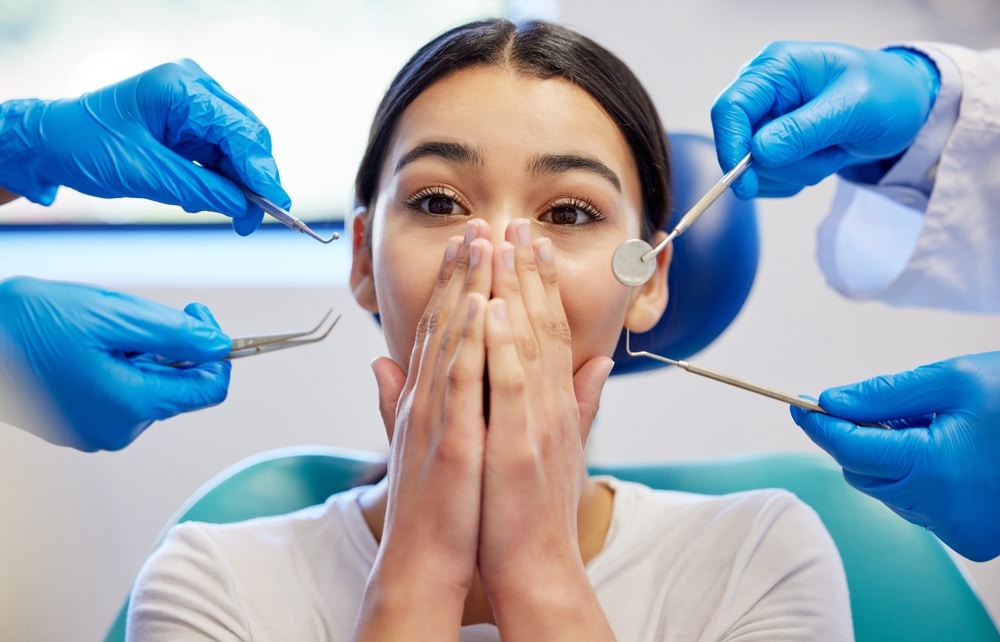
It’s normal to feel nervous before a dental visit, but for some people, that fear can be so strong that they put off important care. I often see patients who haven’t been to the dentist in years because they’re anxious about pain, embarrassment, past experiences, or feeling out of control during treatment. Dental anxiety is actually very common. Some people just feel a little uneasy, while others have trouble sleeping before appointments or notice symptoms like sweating, a fast heartbeat, or nausea. At Simply Teeth in Mount Prospect, I do my best to make sure patients feel comfortable, supported, and able to talk openly about their concerns. As Dr. Patel, my goal is to help everyone feel informed, respected, and more at ease during each visit.
Why Dental Anxiety Is So Common
People can develop dental anxiety for many reasons. Some had bad experiences at the dentist when they were younger, while others are afraid of needles, drills, certain sounds, or possible pain. Some patients feel embarrassed about their teeth and worry about being judged, so they put off going to the dentist.
Common causes of dental anxiety include:
- Fear Of Pain
- Past Negative Experiences
- Loss Of Control
- Sensitive Gag Reflexes
- Embarrassment About Oral Health
- Fear Of Needles Or Dental Tools
I like to remind patients that dental care has come a long way. Thanks to new technology, better anesthetics, and a focus on patient comfort, treatment is usually much more comfortable than most people expect.
Avoiding The Dentist Often Makes Problems Worse
A big problem with dental anxiety is that putting off care often lets small issues turn into bigger ones. For example, a small cavity that’s easy to fix can turn into something that needs a crown, root canal, or even an extraction if it’s ignored.
- Dental Infections
- Broken Teeth
- Tooth Loss
I understand that fear can make people delay care, but getting treatment early is usually easier, less invasive, and more comfortable.
Communication Helps Reduce Fear
Good communication is one of the best ways to help anxious patients. At Simply Teeth, I always encourage patients to share their worries before we start. When I know what makes someone anxious, I can adjust the experience to help them feel more at ease.
Dr. Patel often explains procedures step-by-step so patients know what to expect. For many people, uncertainty creates additional stress. Clear communication may help reduce fear and build trust over time.
Patients are always encouraged to ask questions and discuss discomfort during treatment.
Modern Dentistry Focuses On Patient Comfort
Many patients are surprised by how comfortable modern dentistry can be. Dental technology has improved significantly, allowing treatments to be completed more efficiently and with less discomfort.
Comfort-focused approaches may include:
- Gentle Local Anesthesia
- Digital Imaging
- Shorter Treatment Times
- Noise Reduction Options
- Breaks During Procedures
- Calm Office Environments
For anxious patients, small adjustments often make a major difference during appointments.
Sedation Dentistry May Help Some Patients
For patients with moderate or severe anxiety, sedation options may help create a more relaxed experience. Sedation dentistry is designed to reduce fear and improve comfort during treatment.
Depending on the procedure and patient needs, sedation options may include:
- Nitrous Oxide
- Oral Sedation
- IV Sedation Through Referral
Not every patient requires sedation, but discussing available options often helps reduce anxiety even before treatment begins.
Dental Anxiety Affects Both Adults And Children
Dental fear is not limited to adults. Children may also become nervous about dental visits, especially if they are unfamiliar with the environment or worried about discomfort.
I encourage parents to introduce children to dental care early so appointments become a normal part of maintaining health. Positive early experiences often help children develop healthier long-term attitudes toward dentistry.
Creating calm and encouraging experiences for children may reduce dental anxiety later in life.
Small Steps Can Help Build Confidence
Patients with severe dental anxiety sometimes feel overwhelmed by the thought of treatment. In these situations, I often recommend starting with a simple consultation or exam before discussing more extensive care.
Many anxious patients feel relief after realizing that dental visits can be calm, respectful, and manageable. Building trust gradually often helps patients regain confidence in their oral health.
Regular Dental Care Often Reduces Future Anxiety
Routine dental visits may actually reduce anxiety over time because patients become more familiar with the process and avoid major dental emergencies.
Preventive care helps identify problems early and may reduce the need for more complex procedures later. Maintaining healthy teeth and gums often improves confidence, comfort, and overall well-being.
FAQs About Dental Anxiety
Is Dental Anxiety Common?
Yes. Dental anxiety affects many people of all ages. Some patients experience mild nervousness, while others avoid dental visits completely because of fear.
What Causes Dental Anxiety?
Common causes include past negative experiences, fear of pain, needles, dental sounds, embarrassment, or fear of losing control during treatment.
Can Dentists Help Nervous Patients Feel More Comfortable?
Yes. At Simply Teeth, Dr. Patel works closely with patients to create a calm environment and explain procedures clearly. Communication and comfort-focused care often help reduce stress.
What Happens If I Avoid The Dentist Because Of Anxiety?
Delaying dental care may allow small issues to become larger problems. Cavities, gum disease, and infections often worsen over time when left untreated.
Does Modern Dentistry Hurt Less Than In The Past?
Many patients find modern dentistry far more comfortable than they expected. Advances in technology and anesthesia have improved patient comfort significantly.
What Is Sedation Dentistry?
Sedation dentistry uses medications or calming techniques to help patients relax during treatment. Options vary depending on the patient’s needs and the procedure involved.
Can Children Develop Dental Anxiety?
Yes. Children may feel nervous about unfamiliar experiences or fear discomfort. Positive dental visits early in life often help reduce long-term anxiety.
How Can I Prepare For A Dental Visit If I Am Nervous?
Talking openly about your concerns, scheduling morning appointments, listening to calming music, and asking questions beforehand may help reduce anxiety.
Call To Schedule A Consultation With Dr. Patel
At Simply Teeth, I understand how difficult dental anxiety can feel for many patients. My goal is to create a supportive and comfortable experience where patients feel heard and respected throughout their care. Dr. Patel works closely with patients to help them regain confidence in maintaining healthy teeth and gums without unnecessary stress or fear.
To schedule a consultation with Dr. Patel, contact our dentist in Mount Prospect at Simply Teeth by calling us at 847-870-1111. The office proudly serves patients in Mount Prospect, Illinois, as well as Prospect Heights and Des Plaines, Illinois.
