
The Risks Of Ignoring A Cracked Tooth
July 07, 2026
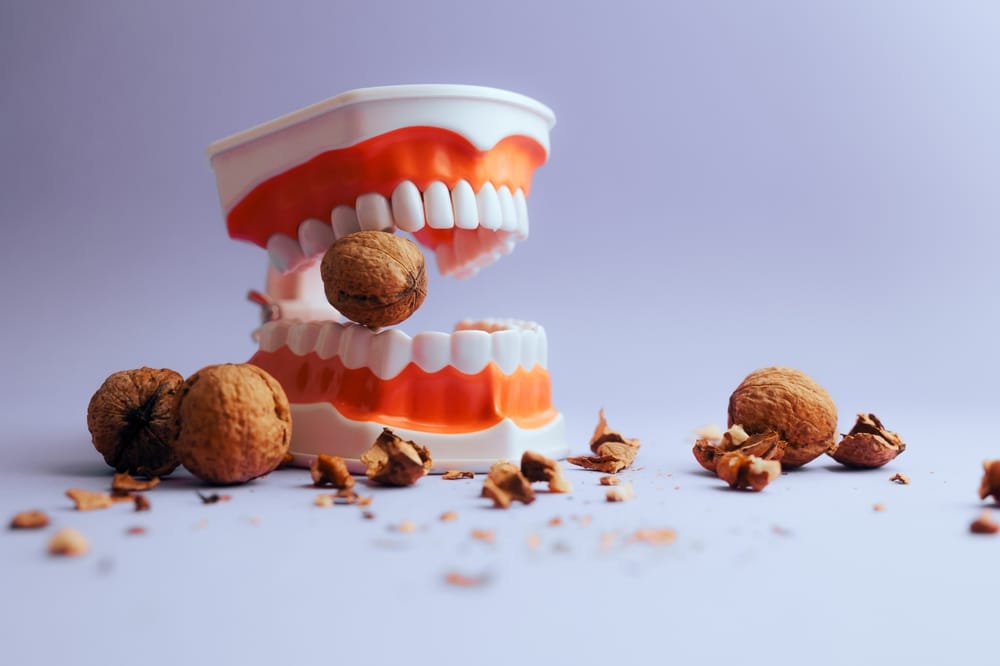
At first, a cracked tooth might not seem like a big deal, especially if the crack is small or only bothers you sometimes. Many people keep eating and going about their day, not realizing that even a minor crack can turn into a bigger dental problem. Our teeth handle a lot of pressure every day, so a small fracture can get worse over time. I often meet patients who ignored a cracked tooth because it didn’t seem serious. But waiting too long can mean more complicated treatment, more pain, and higher costs. Knowing the risks of a cracked tooth can help you make smart choices to protect your oral health.
There are many reasons a tooth might crack. Biting hard foods, grinding or clenching your teeth, sports injuries, accidents, or having large fillings can all cause fractures. Some cracks are easy to spot, but others are hidden and only show up when you start having symptoms.
Why A Cracked Tooth Should Never Be Ignored
A cracked tooth won’t heal on its own like a small cut on your skin. Once there’s a crack, it weakens the tooth. Every time you chew, bite, or clench, you put more pressure on that spot.
As the crack gets bigger, the tooth becomes more likely to get damaged further. A small fracture can grow deeper and reach the inner pulp, where the nerves and blood vessels are. Early treatment often provides more options and may help preserve more of your natural tooth.
Pain And Sensitivity May Worsen Over Time
One of the most common symptoms of a cracked tooth is sensitivity. You may notice discomfort when consuming hot beverages, cold foods, or sugary items. Some patients experience pain when biting down, while others report sharp discomfort that comes and goes.
The unpredictable nature of cracked tooth pain can make it easy to dismiss. However, intermittent symptoms do not mean the problem is improving. In many cases, the crack is gradually worsening beneath the surface. I encourage patients not to wait until severe pain develops before seeking evaluation.
Increased Risk Of Infection
A crack can create an opening that allows bacteria to enter the inner portion of the tooth. Once bacteria reach the pulp, infection may develop.
An infected tooth can cause:
- Persistent pain
- Swelling
- Sensitivity
- Gum irritation
- Abscess formation
If left untreated, the infection may spread to surrounding tissues and create more serious oral health concerns. Addressing the crack early may help reduce the risk of infection and preserve the tooth.
The Tooth May Eventually Break
One of the greatest risks of delaying treatment is the possibility of a complete fracture. As the crack expands, the structural integrity of the tooth becomes compromised. A tooth that could have been restored with a crown may eventually become so severely damaged that extraction becomes necessary. Preserving a natural tooth is almost always preferable to replacing one that has been lost. Prompt treatment often helps avoid more extensive procedures.
Treatment Options For Cracked Teeth
The appropriate treatment depends on the size, location, and severity of the crack. Minor cracks may sometimes be treated with bonding. More significant fractures often require a dental crown to strengthen and protect the tooth. If the crack reaches the pulp, root canal therapy may be necessary before restoring the tooth. During your examination, I will evaluate the extent of the damage and recommend a treatment plan based on your specific situation.
The Importance Of Early Diagnosis
Many cracked teeth are easier to treat when identified early. Regular dental visits provide an opportunity to detect small fractures before they become larger problems. Diagnostic tools, clinical examinations, and dental imaging help identify cracks that may not be visible to the naked eye. Early intervention often results in less invasive treatment and better long-term outcomes.
Cracked Tooth Treatment Frequently Asked Questions
What Causes A Tooth To Crack?
Teeth may crack because of trauma, biting hard foods, grinding, clenching, large fillings, accidents, or normal wear over time.
Can A Cracked Tooth Heal On Its Own?
No. Unlike some other parts of the body, tooth enamel does not regenerate. Once a crack forms, professional treatment is often necessary.
What Does A Cracked Tooth Feel Like?
Symptoms vary. Some people experience sharp pain while chewing, temperature sensitivity, or discomfort that comes and goes unexpectedly.
Is A Cracked Tooth A Dental Emergency?
Not every crack is an emergency, but prompt evaluation is important. Waiting may allow the crack to worsen and increase the risk of complications.
Can A Cracked Tooth Become Infected?
Yes. Bacteria can enter through the crack and reach the pulp of the tooth, potentially causing infection and abscess formation.
Will I Need A Crown For A Cracked Tooth?
Many cracked teeth benefit from crowns because crowns help strengthen and protect the remaining tooth structure. The exact treatment depends on the severity of the fracture.
Can A Cracked Tooth Be Saved?
In many cases, yes. Early diagnosis and treatment often improve the chances of preserving the natural tooth.
What Happens If A Cracked Tooth Is Left Untreated?
The crack may continue to spread, increasing the risk of pain, infection, structural failure, and eventual tooth loss.
Cracked Tooth? Call Simply Teeth For Emergency Dental Care
A cracked tooth may seem minor today, but delaying treatment can lead to more complicated dental problems tomorrow. At Simply Teeth, I help patients identify tooth fractures early and develop treatment plans designed to preserve their oral health and comfort. My goal is always to protect your natural teeth whenever possible and provide solutions that support long-term dental wellness.
If you suspect you have a cracked tooth or are experiencing tooth pain, sensitivity, or discomfort when chewing, contact our dentist in Mount Prospect at Simply Teeth by calling us at 847-870-1111. I proudly serve patients throughout Mount Prospect, Prospect Heights, Des Plaines, and the surrounding communities. I look forward to helping you protect your smile and maintain excellent oral health.
