
Symptoms Of A Tooth That May Need A Root Canal
August 27, 2026
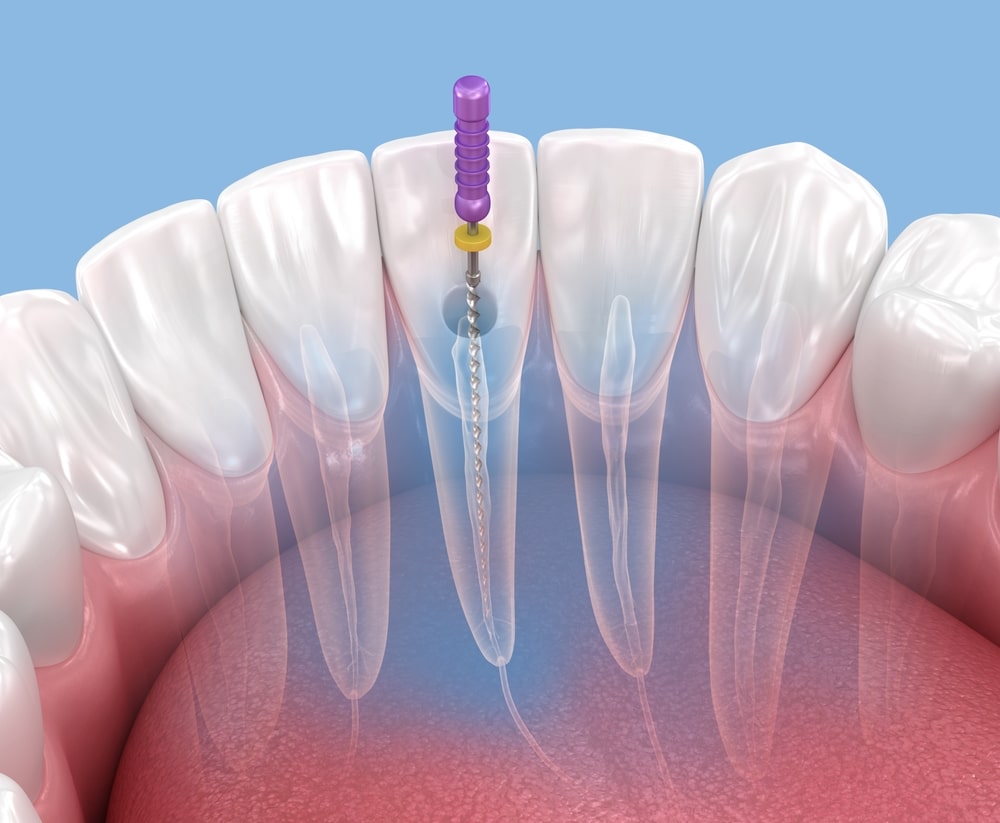
Tooth pain can be easy to ignore at first, especially when it comes and goes. Many patients hope sensitivity, soreness, or pressure will disappear on its own, but some symptoms are signs that the nerve inside the tooth may be inflamed or infected. At Simply Teeth in Mount Prospect, I often explain that a root canal is not a punishment for waiting too long. It is a treatment designed to save a natural tooth when the inner pulp has been damaged by decay, trauma, cracks, or repeated dental work. As Dr. Patel, my goal is to help you recognize warning signs early so we can treat the tooth before pain, swelling, or infection becomes more serious.
Lingering Tooth Pain That Does Not Go Away
One of the most common signs you may need a root canal is tooth pain that lingers or keeps returning. The pain may feel sharp, throbbing, dull, or deep inside the jaw. Some patients can point directly to the tooth, while others feel pain that spreads toward the ear, temple, or neighboring teeth. Pain that wakes you up at night or returns after taking over-the-counter pain medicine deserves attention.
A tooth can hurt for many reasons, and not every toothache requires a root canal. A cavity, cracked filling, gum problem, sinus pressure, or bite issue may cause discomfort. However, when the pulp inside the tooth becomes inflamed or infected, the pain often becomes more persistent. The pulp contains nerves and blood vessels, and once it is seriously damaged, the tooth may not heal without treatment.
At Simply Teeth, I do not recommend root canal therapy based on pain alone. I evaluate the tooth, take X-rays when needed, test the tooth’s response to temperature and pressure, and look for signs of infection. The right diagnosis matters because the treatment should match the cause of the pain.
Sensitivity To Hot Or Cold That Lingers
Short sensitivity to cold can happen for several reasons. You may have gum recession, enamel wear, a small cavity, or a recently placed filling. What concerns me more is sensitivity that lasts after the hot or cold item is gone. If you drink coffee and the tooth aches for several minutes, or if cold water causes a deep pain that does not fade quickly, the nerve inside the tooth may be irritated.
Lingering temperature sensitivity can mean the pulp is inflamed. This may happen when decay reaches deeper into the tooth or when a crack allows bacteria and fluid movement near the nerve. Some patients notice that cold feels bad at first, then later heat becomes the bigger trigger. Others feel pressure along with temperature pain.
If this is happening, do not wait for the tooth to become unbearable. Earlier treatment may prevent swelling, spreading infection, or the loss of the tooth. I can examine the tooth and explain whether the problem may be treated with a filling, crown, root canal, or another option.
Pain When Biting Or Chewing
Pain when biting can be a serious warning sign. You may feel it when chewing food, tapping the teeth together, or releasing pressure after biting down. This can happen when a tooth is cracked, infected, or inflamed around the root. It may also occur when a filling or crown is too high, so the cause needs to be checked carefully.
If the pain feels sharp when you bite and release, a crack may be involved. If the tooth feels sore, raised, or tender to touch, inflammation or infection near the root may be present. Some patients describe the feeling as if the tooth is bruised. Others avoid chewing on one side because the pressure is too uncomfortable.
At Simply Teeth, I check the bite, inspect the tooth, review prior dental work, and look for signs that the nerve or root area is affected. If the tooth can be saved, root canal therapy may remove the damaged pulp, clean the inside of the tooth, and allow the tooth to be restored.
Swelling, Gum Bumps, Or A Bad Taste
Swelling near a tooth should never be ignored. A dental infection can create tenderness in the gums, facial swelling, jaw swelling, or a small pimple-like bump on the gum. That bump may drain fluid and leave a bad taste in your mouth. Even if the pain improves after drainage, the infection may still be present.
A tooth infection can sometimes develop slowly. You may have little pain at first and then notice gum tenderness, pressure, or swelling. In other cases, the pain becomes intense quickly. Infection can spread beyond the tooth, which is why timely dental care is important.
If you have swelling, fever, trouble swallowing, trouble breathing, or swelling that affects the face or neck, seek urgent medical care. For localized dental symptoms, call the office promptly so the tooth can be evaluated. Antibiotics may help control an infection in some situations, but they do not remove the damaged pulp inside the tooth. A root canal or another dental procedure may still be needed.
Darkening Of A Tooth After Injury
A tooth that turns gray, brown, or noticeably darker than surrounding teeth may have nerve damage. This sometimes happens after an injury, even if the injury occurred months or years earlier. A fall, sports impact, car accident, or hard bite can damage the blood supply inside the tooth. The tooth may not hurt at first, but the pulp can still become unhealthy over time.
Discoloration alone does not prove that a root canal is needed, but it is a reason to schedule an exam. I may test the tooth, take X-rays, and compare it to the surrounding teeth. If the pulp is no longer healthy, root canal therapy may be recommended to save the tooth and prevent future infection.
Why Early Diagnosis Can Help Save Your Tooth
Root canal treatment has a simple purpose: to save a tooth that might otherwise need to be removed. During the procedure, the damaged or infected pulp is removed, the inside of the tooth is cleaned and sealed, and the tooth is restored. Many back teeth need a crown afterward because they must handle strong chewing forces.
If you wait too long, the infection can damage the surrounding bone or make the tooth harder to save. Early diagnosis gives you more options. If you have lingering pain, temperature sensitivity, bite pain, swelling, gum bumps, or a darkened tooth, I encourage you to schedule a dental evaluation before the problem becomes more serious.
Call Simply Teeth In Mount Prospect For Root Canal Evaluation
If you have tooth pain, lingering sensitivity, swelling, a gum bump, or pain when chewing, do not wait for the problem to become more serious. At Simply Teeth, Dr. Patel provides careful dental evaluations for patients who may need root canal therapy or another treatment to relieve pain and protect their oral health.
Simply Teeth serves patients in Mount Prospect, Illinois, as well as Prospect Heights, Illinois, and Des Plaines, Illinois. Contact Simply Teeth today to schedule a visit, by calling us at 847-870-1111. We can examine the tooth, explain what is causing your symptoms, and help you understand the best next step for your smile.
