
Best Options For Replacing Multiple Missing Teeth
July 15, 2026
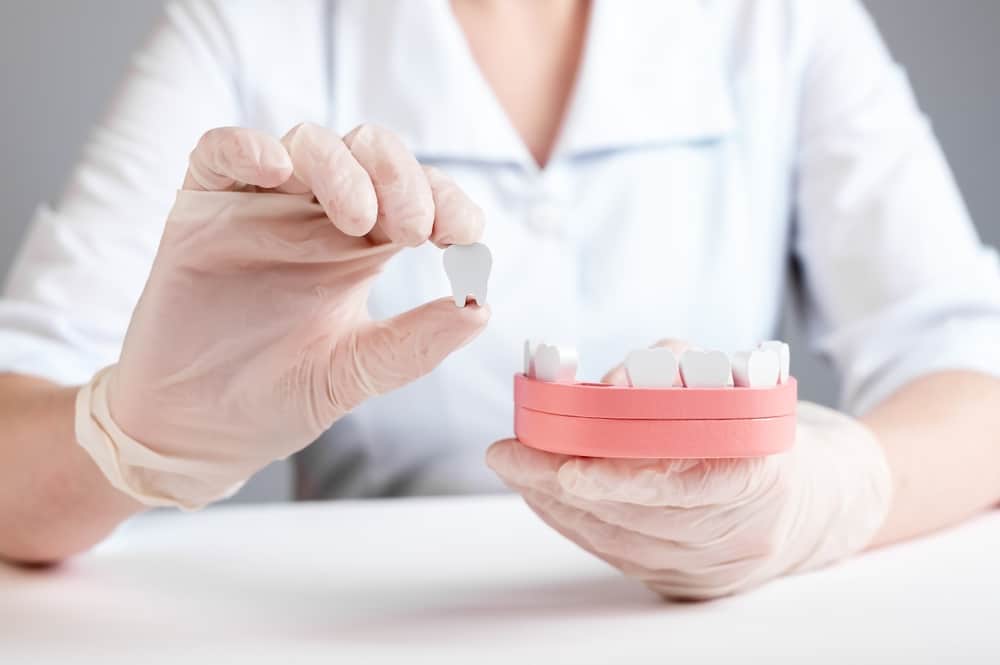
Missing multiple teeth can affect much more than the appearance of your smile. Tooth loss can make it difficult to chew certain foods, speak clearly, and maintain proper oral health. Over time, missing teeth can also contribute to tooth shifting, changes in bite alignment, and a loss of jawbone density. Many patients tell me they have adapted to missing teeth, but they are often surprised to learn how much better they can eat, speak, and smile after receiving appropriate treatment. Modern dentistry offers several highly effective options for replacing multiple missing teeth, and the right solution depends on your specific needs, oral health, goals, and budget. I believe that understanding your options is the first step toward restoring both function and confidence.
At Simply Teeth, I work with patients throughout Mount Prospect, Prospect Heights, and Des Plaines who are seeking long-term solutions for missing teeth. Every patient has a unique situation, which is why I carefully evaluate oral health, bone structure, remaining teeth, and lifestyle factors before recommending treatment.
Why Replacing Missing Teeth Matters
When multiple teeth are missing, the effects extend beyond cosmetic concerns. The remaining teeth often begin to shift toward the empty spaces. This movement can alter the way the upper and lower teeth fit together, creating bite problems and uneven wear.
The jawbone may also begin to shrink in areas where teeth are missing. Teeth help stimulate the jawbone during chewing. Without that stimulation, bone loss can occur over time. Replacing missing teeth helps restore function while supporting long-term oral health and facial structure.
Dental Bridges For Multiple Missing Teeth
Dental bridges have been used successfully for many years to replace missing teeth. A bridge fills the gap by anchoring replacement teeth to neighboring natural teeth or dental implants.
For some patients, bridges provide a fixed solution that restores chewing ability and improves appearance. Bridges do not need to be removed for cleaning and can often feel similar to natural teeth.
However, not every patient is a candidate for a bridge. The condition of the surrounding teeth and the number of missing teeth must be considered when evaluating this option.
Partial Dentures As A Versatile Solution
Partial dentures are removable appliances designed to replace several missing teeth. Modern partial dentures are often more comfortable and natural-looking than many people expect. One advantage of partial dentures is that they can replace multiple teeth in different areas of the mouth. They are often a practical solution when several teeth are missing, and implant placement is not ideal.
Partial dentures can improve chewing function and help prevent neighboring teeth from shifting into the space left by missing teeth.
Dental Implants For Long-Term Stability
Dental implants are often considered one of the most advanced tooth replacement options available today. An implant functions as an artificial tooth root, placed in the jawbone, that supports a crown, bridge, or denture.
For patients missing multiple teeth, implants can provide exceptional stability and durability. Because implants stimulate the jawbone, they also help reduce bone loss. I frequently discuss implant options with patients who are looking for a long-lasting and highly functional solution.
Implant-Supported Bridges
When several adjacent teeth are missing, an implant-supported bridge may be an excellent option.
Rather than placing an implant for every missing tooth, strategically positioned implants can support multiple replacement teeth. This approach often provides excellent stability while reducing the number of implants required.
Implant-supported bridges combine many of the benefits of traditional bridges and dental implants.
Implant-Supported Dentures
For patients missing many teeth or an entire arch, implant-supported dentures may offer significant advantages.
Unlike traditional removable dentures, implant-supported dentures attach securely to implants placed in the jawbone. This additional stability can improve chewing ability, comfort, and confidence when speaking.
Many patients appreciate that implant-supported dentures reduce concerns about movement or slipping during daily activities.
Choosing The Right Treatment Option
There is no single solution that is best for everyone. The ideal treatment depends on several factors, including oral health, bone density, the number of missing teeth, lifestyle preferences, and financial considerations.
My goal is to help patients understand all available options so they can make informed decisions about their care. A personalized treatment plan allows us to focus on both immediate needs and long-term oral health goals.
Missing Tooth Replacement Frequently Asked Questions
What Is The Best Way To Replace Multiple Missing Teeth?
The best solution depends on your individual circumstances. Options may include bridges, partial dentures, dental implants, implant-supported bridges, or implant-supported dentures.
Are Dental Implants Better Than Dentures?
Dental implants provide several advantages, including stability and bone preservation. However, dentures may still be an appropriate option for certain patients. A thorough evaluation helps determine the best choice.
Can I Replace Several Missing Teeth At The Same Time?
Yes. Many treatment plans are specifically designed to replace multiple missing teeth during a coordinated restoration process.
How Long Do Dental Implants Last?
With proper care and maintenance, dental implants can last for many years and often provide long-term results.
Are Partial Dentures Comfortable?
Modern partial dentures are designed for improved comfort and appearance. Most patients adapt well after a brief adjustment period.
Will Missing Teeth Cause Bone Loss?
Yes. The jawbone may gradually shrink when teeth are missing because the bone no longer receives stimulation from chewing forces.
Can Implant-Supported Dentures Improve Chewing?
Many patients find that implant-supported dentures provide greater stability and chewing efficiency compared to traditional removable dentures.
How Do I Know Which Option Is Right For Me?
A comprehensive dental examination allows me to evaluate your oral health, discuss your goals, and recommend treatment options tailored to your needs.
Schedule A Tooth Replacement Consultation With Simply Teeth
Living with multiple missing teeth can affect your comfort, confidence, and quality of life. At Simply Teeth, I work closely with patients to identify tooth replacement solutions that restore function, improve appearance, and support long-term oral health. Whether you are considering bridges, dentures, implants, or implant-supported restorations, I will help you understand your options and create a treatment plan that fits your goals.
To schedule a consultation, contact our Mount Prospect dental clinic at Simply Teeth by calling us at 847-870-1111. We treat patients throughout Mount Prospect, Prospect Heights, Des Plaines, and the surrounding communities. I look forward to helping you restore your smile and regain confidence in your oral health.
